
Trouble sleeping in a new place isn’t really about the place. I’d found an empty parking spot in a limestone canyon in Slovakia, right next to the stream that carves it — a short drive, an easy training day, nothing that should have cost me any sleep. Then it got dark, and something started making noise very close by, loud enough and strange enough that my heart took off before my brain had a say in it.
I’m not there to parent in that moment. I’m there to wind down, and it happens to be his room.
I’m not there to parent in that moment. I’m there to wind down, and it happens to be his room.
Not a Bear
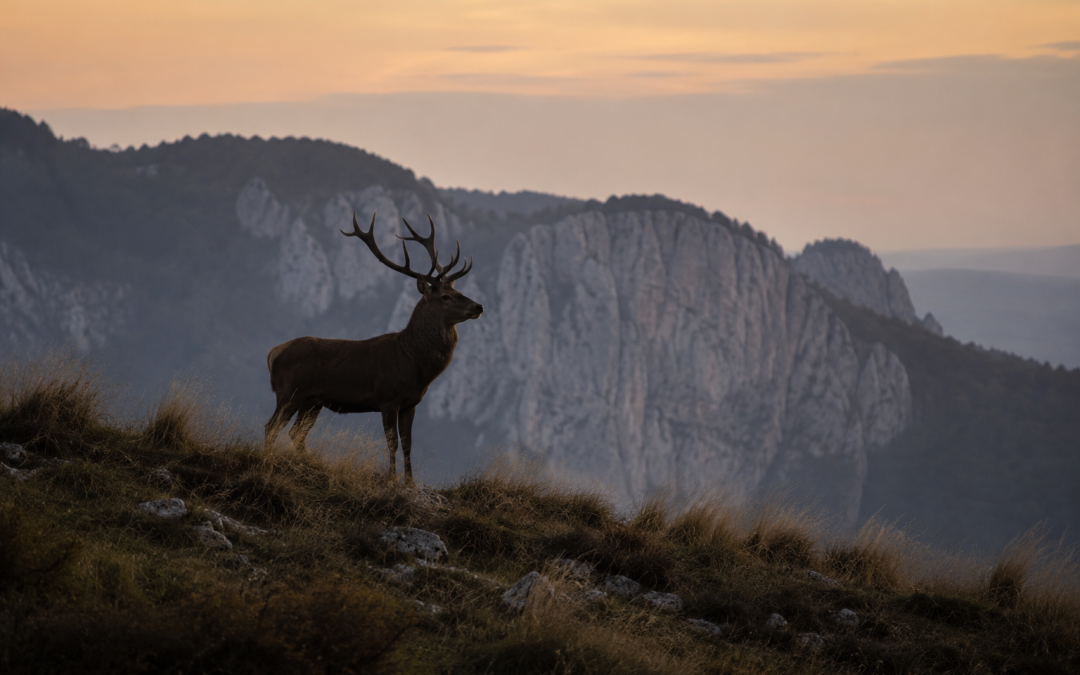
I’d run into actual bears in that country before, more than once, and for a stretch of several seconds that felt considerably longer, that’s exactly what I was lying there listening to. It took a while — longer than I’d like to admit — to place the sound as belling, the sound stags make during rutting season, not a predator at all. Just deer, doing what deer do that time of year, a few meters from a metal box with a nervous man inside it. I did eventually get back to sleep, lighter and more broken than usual — maybe five and a half hours by the time I gave up and got moving. Not ruined. Just thinner than a night that easy a day should have earned me — the same kind of “not ruined, just thinner” outcome I found in a very different setting writing about whether poor sleep before a race actually hurts performance.
A False Alarm, Not a Danger
That specific version of the story is unusual. The general shape of it isn’t. Wind through the trees, insects, birds, a car pulling in somewhere nearby in the dark — something is always slightly unfamiliar on the first night away, and it barely matters what the something is, or even whether I’m camping at all. The same low hum of alertness shows up in a hotel room, a friend’s spare bed, anywhere control over the environment has quietly changed hands. It isn’t really about danger. It’s novelty getting misread as danger, by a brain that hasn’t yet decided the new place is safe — not so different from the mislabeling I got into separately in why a focus problem is sometimes actually a sleep problem. There’s a real mechanism behind this particular misreading, not just nerves — sleep researchers call it the first-night effect, and one specific finding fits the canyon almost exactly: part of the brain stays measurably more vigilant in an unfamiliar place, even during sleep, functioning like a night guard for the rest of the system. That’s a reasonable explanation for why an entirely harmless stag registered, for a few seconds, as something worth panicking about.
What Actually Helps the Next Day
It rarely costs me the whole night, and that night was no exception. What actually helps the next day isn’t gritting through a hard session to prove the short night didn’t matter — it’s the opposite. A lighter effort, an easy zone-two run or ride, or just a few hours hiking rather than training, lets whatever the night cost get absorbed instead of compounded — the same recovery math behind why holiday sleep disruption costs more when you push through it than when you let a day be lighter on purpose. The following night is almost always close to normal.
Standing Down
By the second night, most of it has already resolved on its own. The bed feels a little softer than it did, the light through the curtains reads as familiar rather than strange, and the noises and smells that registered as alarms the night before just stop registering at all. Being alone somewhere new starts to feel calming instead of unsettling once my own routine takes over — training, eating, driving, seeing whatever there is to see, entirely on my own schedule. I rarely sleep in the same actual spot two nights running, so it was never really about that one place becoming familiar. It’s the same vigilant half of the brain finally standing down, once it’s had a night to decide the new place isn’t a threat after all.
I don’t think the first night gets easier with practice, not really. It’s not a problem I’ve solved so much as a toll I’ve learned to expect and to pay without much drama — which is really what most generic advice about “sleeping better while traveling” misses, the same gap covered in why most sleep advice fails for men our age.
If you want a structured way to approach this
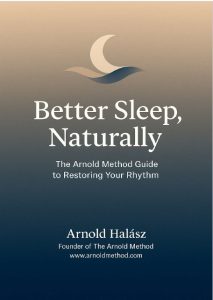
The Sleep Reset eBook breaks this process down into a clear, step-by-step system. Instead of guessing what matters, it gives you a framework to stabilise your sleep pattern over a short period.
Frequently asked questions
Why is it hard to sleep in a new place even when nothing is wrong?
Sleep researchers call this the first-night effect — part of the brain stays more vigilant than usual in an unfamiliar environment, even during sleep, essentially standing watch. It isn’t a sign of danger or a personal sensitivity; it’s a well-documented, temporary response to novelty itself.
Does trouble sleeping in a new place get better over multiple nights?
For most people, yes — the effect is strongest on the first night and typically eases by the second, as the brain effectively decides the new environment is safe and the extra vigilance stands down.
Should I train hard the day after a bad night’s sleep while traveling?
Usually not. A lighter effort — easy pace, shorter duration — tends to let the previous night’s deficit clear rather than compound it, which often means the following night’s sleep is close to normal rather than also disrupted.
Does the first-night effect happen every time, even for experienced travelers?
It can, and frequency of travel doesn’t necessarily eliminate it. The effect is tied to the environment being unfamiliar in the moment, not to a person’s general experience with travel or camping.